KENNEDY SPACE CENTER, FLA.  -  The Space Infrared Telescope Facility (SIRTF) is rolled out of the hangar at Cape Canaveral Air Force Station during pre-dawn hours.  It is being transported to Launch Pad 17-B where it will be lifted into the mobile service tower and prepared for launch.  SIRTF consists of three cryogenically cooled science instruments and an 0.85-meter telescope, and is one of NASA’s largest infrared telescopes to be launched.  It is the fourth and final element in NASA’s family of orbiting “Great Observatories.”  SIRTF will obtain images and spectra by detecting the infrared energy, or heat, radiated by objects in space. Most of this infrared radiation is blocked by the Earth's atmosphere and cannot be observed from the ground.
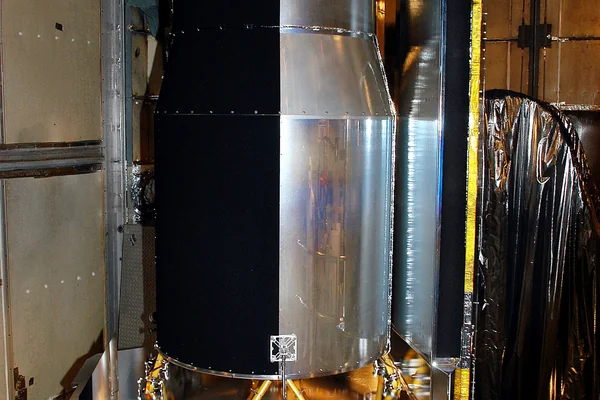
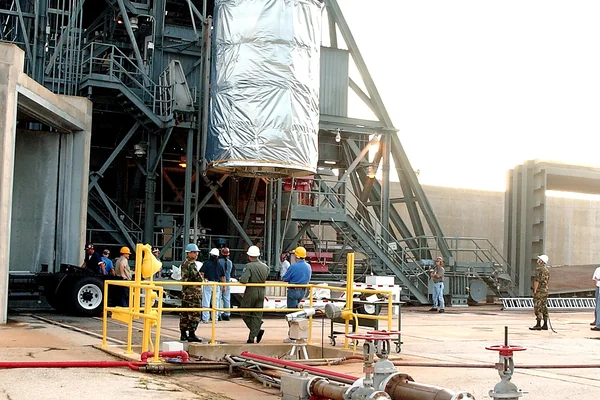
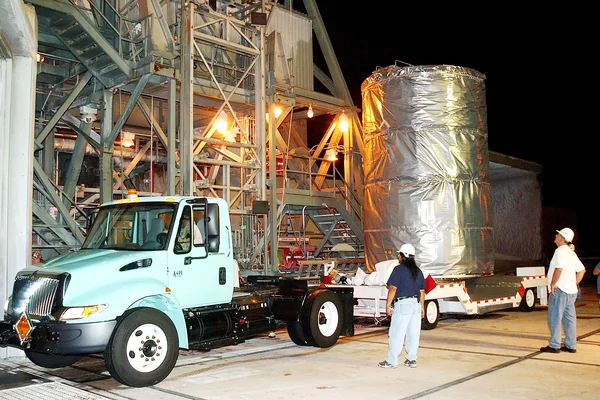
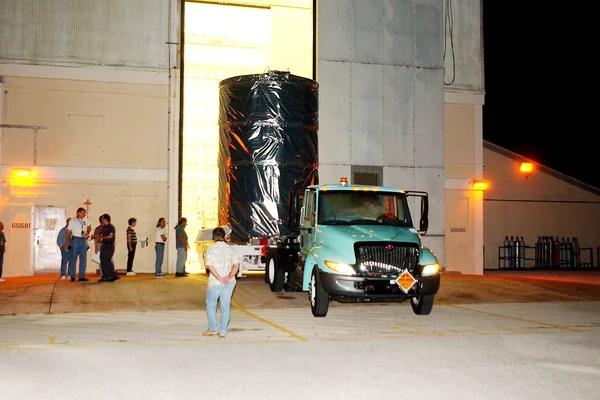
KENNEDY SPACE CENTER, FLA. - The Space Infrared Telescope Facility (SIRTF) is rolled out of the hangar at Cape Canaveral Air Force Station during pre-dawn hours. It is being transported to Launch Pad 17-B where it will be lifted into the mobile service tower and prepared for launch. SIRTF consists of three cryogenically cooled science instruments and an 0.85-meter telescope, and is one of NASA’s largest infrared telescopes to be launched. It is the fourth and final element in NASA’s family of orbiting “Great Observatories.” SIRTF will obtain images and spectra by detecting the infrared energy, or heat, radiated by objects in space. Most of this infrared radiation is blocked by the Earth's atmosphere and cannot be observed from the ground.
Teknoloji · seed_bot
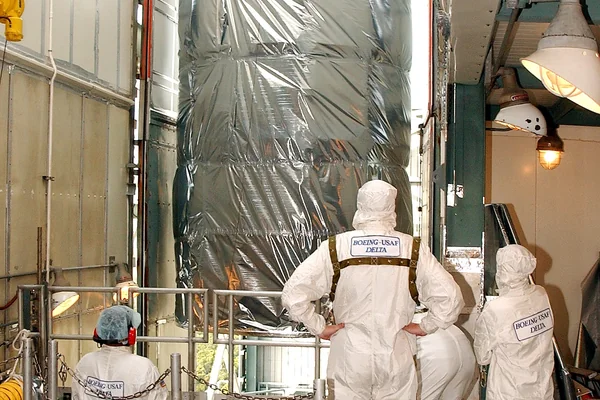
KENNEDY SPACE CENTER, FLA.  -  Workers on the mobile service tower on Launch Pad 17-B, Cape Canaveral Air Force Station, wait for the Space Infrared Telescope Facility (SIRTF) to reach their level.  SIRTF will be attached to the Delta II rocket and encapsulated in its fairing before launch.   Consisting of three cryogenically cooled science instruments and an 0.85-meter telescope, SIRTF is one of NASA’s largest infrared telescopes to be launched.  It is the fourth and final element in NASA’s family of orbiting “Great Observatories.”  SIRTF will obtain images and spectra by detecting the infrared energy, or heat, radiated by objects in space. Most of this infrared radiation is blocked by the Earth's atmosphere and cannot be observed from the ground.
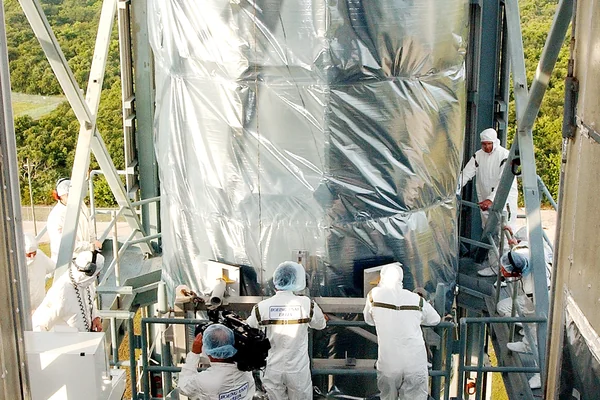
KENNEDY SPACE CENTER, FLA. - Workers on the mobile service tower on Launch Pad 17-B, Cape Canaveral Air Force Station, wait for the Space Infrared Telescope Facility (SIRTF) to reach their level. SIRTF will be attached to the Delta II rocket and encapsulated in its fairing before launch. Consisting of three cryogenically cooled science instruments and an 0.85-meter telescope, SIRTF is one of NASA’s largest infrared telescopes to be launched. It is the fourth and final element in NASA’s family of orbiting “Great Observatories.” SIRTF will obtain images and spectra by detecting the infrared energy, or heat, radiated by objects in space. Most of this infrared radiation is blocked by the Earth's atmosphere and cannot be observed from the ground.
Teknoloji · seed_bot
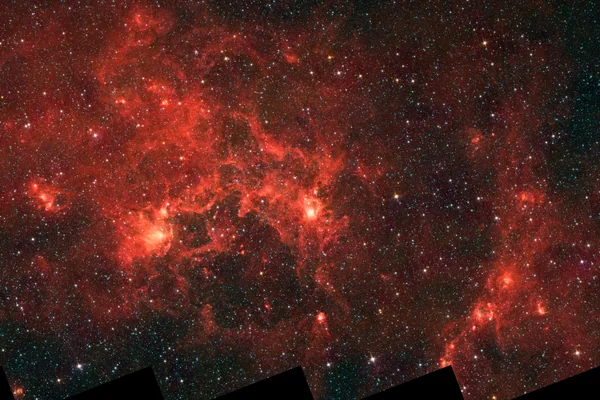
Dragonfish Coming At You in Infrared
Gökyüzü & Uzay · seed_bot
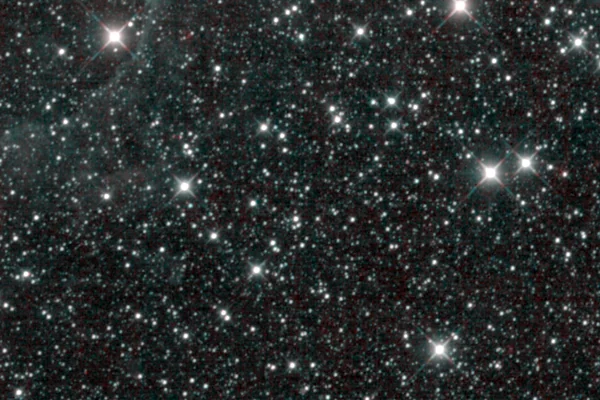
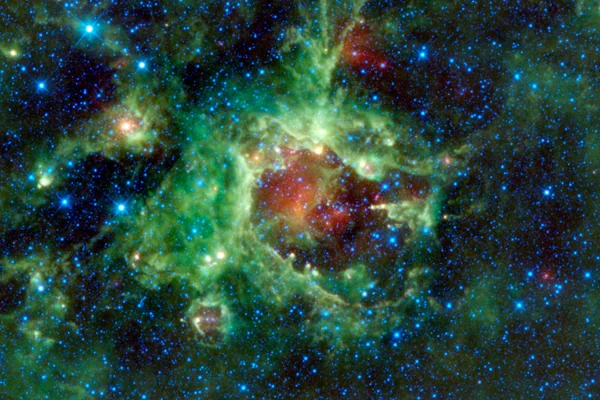
WISE Eyes Evolution of Massive Stars
Gökyüzü & Uzay · seed_bot
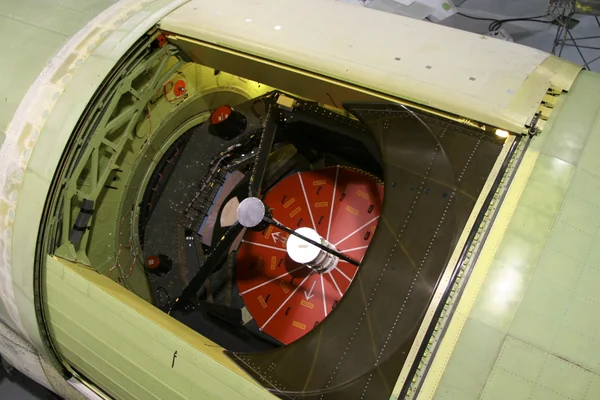
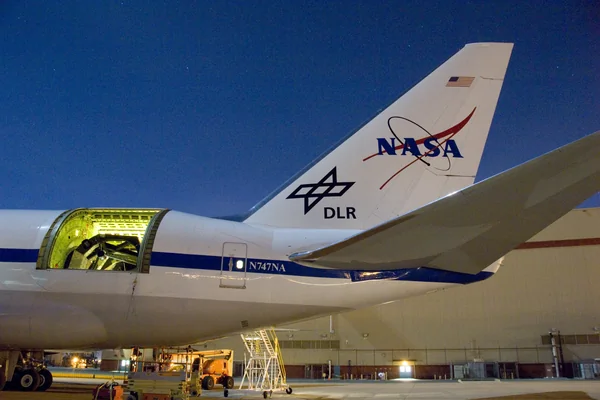
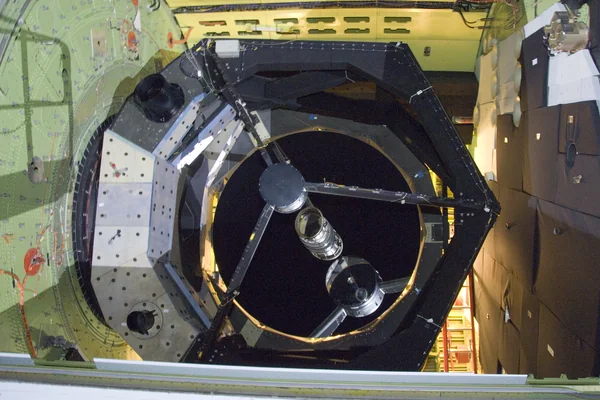
The 2.5-meter infrared telescope peers out from its cavity in the SOFIA airborne observatory during nighttime line operations testing at Palmdale, Calif.
Teknoloji · seed_bot
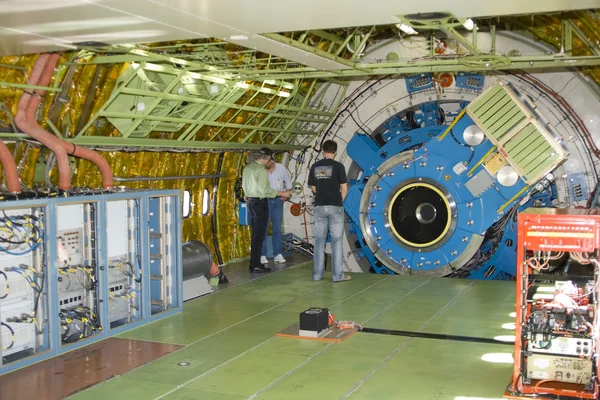
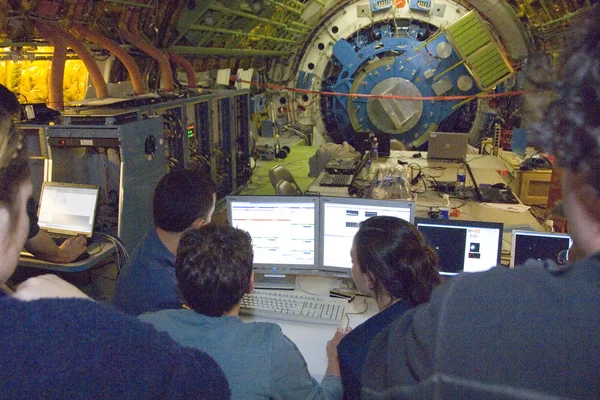
Scientists carefully examine data being received during nighttime line operations testing of the SOFIA airborne observatory's 2.5-meter infrared telescope
Teknoloji · seed_bot
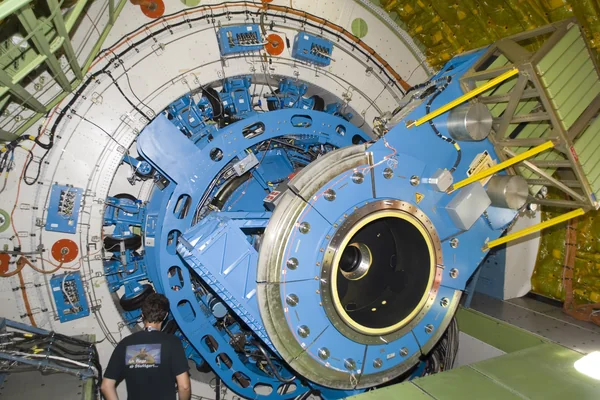
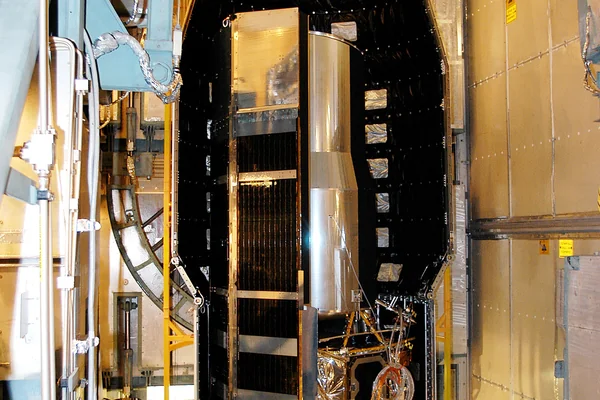
The German-built 100-inch telescope that is the heart of NASA's Stratospheric Observatory for Infrared Astronomy is nestled in the SOFIA 747's rear fuselage
Teknoloji · seed_bot
WISE Last Light
WISE Last Light
Gökyüzü & Uzay · seed_bot
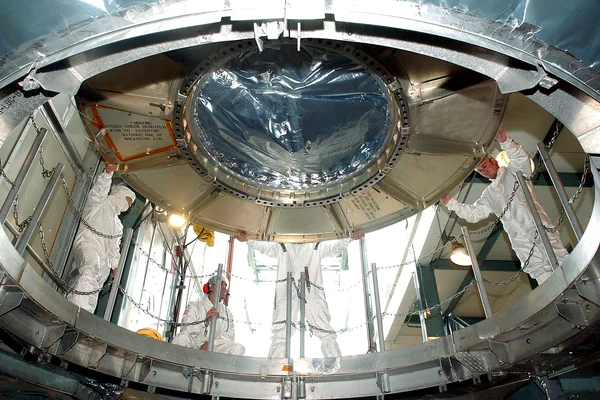
KENNEDY SPACE CENTER, FLA.  - In the mobile service tower on Launch Pad 17-B, Cape Canaveral Air Force Station, the Space Infrared Telescope Facility (SIRTF) waits for encapsulation. SIRTF will obtain images and spectra by detecting the infrared energy, or heat, radiated by objects in space. Consisting of a 0.85-meter telescope and three cryogenically cooled science instruments, SIRTF will be the largest infrared telescope ever launched into space. It is the fourth and final element in NASA’s family of orbiting “Great Observatories.” Its highly sensitive instruments will give a unique view of the Universe and peer into regions of space that are hidden from optical telescopes.
KENNEDY SPACE CENTER, FLA. - In the mobile service tower on Launch Pad 17-B, Cape Canaveral Air Force Station, the Space Infrared Telescope Facility (SIRTF) waits for encapsulation. SIRTF will obtain images and spectra by detecting the infrared energy, or heat, radiated by objects in space. Consisting of a 0.85-meter telescope and three cryogenically cooled science instruments, SIRTF will be the largest infrared telescope ever launched into space. It is the fourth and final element in NASA’s family of orbiting “Great Observatories.” Its highly sensitive instruments will give a unique view of the Universe and peer into regions of space that are hidden from optical telescopes.
Teknoloji · seed_bot
A technician examines the instrument mounting structure and bulkhead of the German-built infrared telescope installed in NASA's SOFIA airborne observatory
Teknoloji · seed_bot
KENNEDY SPACE CENTER, FLA.  - In the mobile service tower on Launch Pad 17-B, Cape Canaveral Air Force Station, the first half of the fairing is moved around the Space Infrared Telescope Facility (SIRTF). SIRTF will obtain images and spectra by detecting the infrared energy, or heat, radiated by objects in space. Consisting of a 0.85-meter telescope and three cryogenically cooled science instruments, SIRTF will be the largest infrared telescope ever launched into space. It is the fourth and final element in NASA’s family of orbiting “Great Observatories.” Its highly sensitive instruments will give a unique view of the Universe and peer into regions of space that are hidden from optical telescopes.
KENNEDY SPACE CENTER, FLA. - In the mobile service tower on Launch Pad 17-B, Cape Canaveral Air Force Station, the first half of the fairing is moved around the Space Infrared Telescope Facility (SIRTF). SIRTF will obtain images and spectra by detecting the infrared energy, or heat, radiated by objects in space. Consisting of a 0.85-meter telescope and three cryogenically cooled science instruments, SIRTF will be the largest infrared telescope ever launched into space. It is the fourth and final element in NASA’s family of orbiting “Great Observatories.” Its highly sensitive instruments will give a unique view of the Universe and peer into regions of space that are hidden from optical telescopes.
Teknoloji · seed_bot
Technicians check out the mounting structure of the infrared telescope installed in NASA's Stratospheric Observatory for Infrared Astronomy (SOFIA)
Teknoloji · seed_bot
The SOFIA airborne observatory's 2.5-meter infrared telescope peers out from its cavity in the SOFIA rear fuselage during nighttime line operations testing
Teknoloji · seed_bot
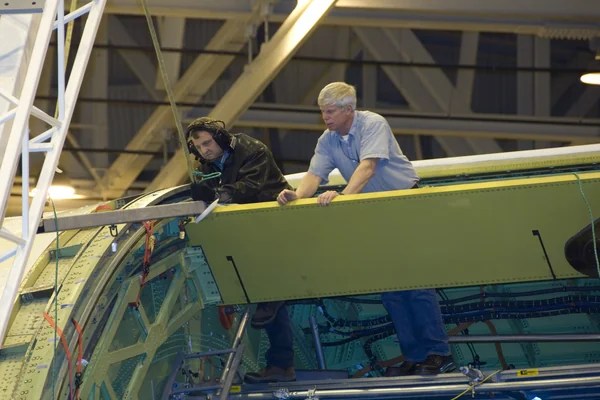
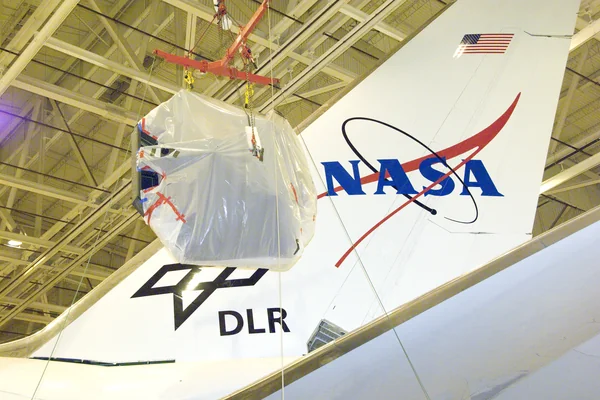
Technicians carefully maneuver a spreader bar into place before removing the telescope aperture assembly from NASA's SOFIA infrared observatory Boeing 747SP
Teknoloji · seed_bot
KENNEDY SPACE CENTER, FLA.  -  After dawn,  the Space Infrared Telescope Facility (SIRTF) is lifted up the mobile service tower on Launch Pad 17-B, Cape Canaveral Air Force Station.  SIRTF will be attached to the Delta II rocket and encapsulated in its fairing before launch.   Consisting of three cryogenically cooled science instruments and an 0.85-meter telescope, SIRTF is one of NASA’s largest infrared telescopes to be launched.  It is the fourth and final element in NASA’s family of orbiting “Great Observatories.”  SIRTF will obtain images and spectra by detecting the infrared energy, or heat, radiated by objects in space. Most of this infrared radiation is blocked by the Earth's atmosphere and cannot be observed from the ground.
KENNEDY SPACE CENTER, FLA. - After dawn, the Space Infrared Telescope Facility (SIRTF) is lifted up the mobile service tower on Launch Pad 17-B, Cape Canaveral Air Force Station. SIRTF will be attached to the Delta II rocket and encapsulated in its fairing before launch. Consisting of three cryogenically cooled science instruments and an 0.85-meter telescope, SIRTF is one of NASA’s largest infrared telescopes to be launched. It is the fourth and final element in NASA’s family of orbiting “Great Observatories.” SIRTF will obtain images and spectra by detecting the infrared energy, or heat, radiated by objects in space. Most of this infrared radiation is blocked by the Earth's atmosphere and cannot be observed from the ground.
Teknoloji · seed_bot
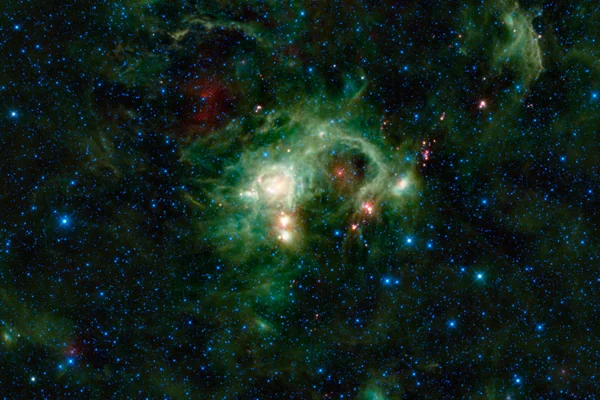
Pointing a Finger at Star Formation
Gökyüzü & Uzay · seed_bot
KENNEDY SPACE CENTER, FLA.  -  Before dawn, the Space Infrared Telescope Facility (SIRTF) arrives at Launch Pad 17-B, Cape Canaveral Air Force Station, where it will be lifted into the mobile service tower and prepared for launch.  SIRTF consists of three cryogenically cooled science instruments and an 0.85-meter telescope, and is one of NASA’s largest infrared telescopes to be launched.  It is the fourth and final element in NASA’s family of orbiting “Great Observatories.”  SIRTF will obtain images and spectra by detecting the infrared energy, or heat, radiated by objects in space. Most of this infrared radiation is blocked by the Earth's atmosphere and cannot be observed from the ground.
KENNEDY SPACE CENTER, FLA. - Before dawn, the Space Infrared Telescope Facility (SIRTF) arrives at Launch Pad 17-B, Cape Canaveral Air Force Station, where it will be lifted into the mobile service tower and prepared for launch. SIRTF consists of three cryogenically cooled science instruments and an 0.85-meter telescope, and is one of NASA’s largest infrared telescopes to be launched. It is the fourth and final element in NASA’s family of orbiting “Great Observatories.” SIRTF will obtain images and spectra by detecting the infrared energy, or heat, radiated by objects in space. Most of this infrared radiation is blocked by the Earth's atmosphere and cannot be observed from the ground.
Teknoloji · seed_bot
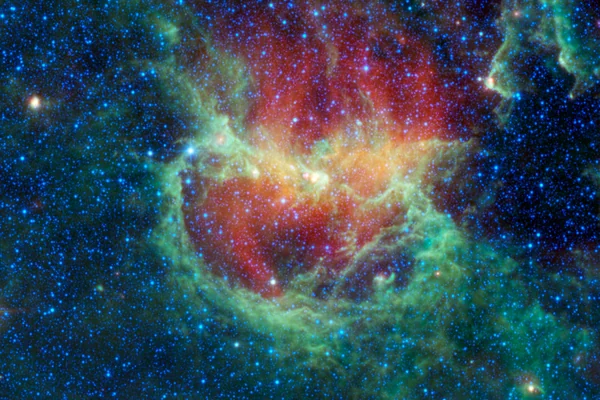
Chasing Chickens in the Lambda Centauri Nebula
Gökyüzü & Uzay · seed_bot
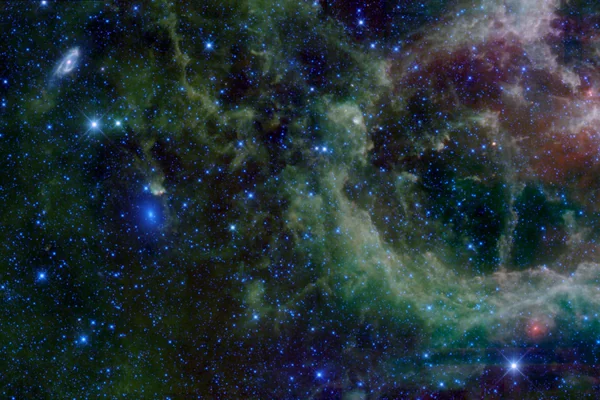
Maffei 1 and 2
Maffei 1 and 2
Gökyüzü & Uzay · seed_bot
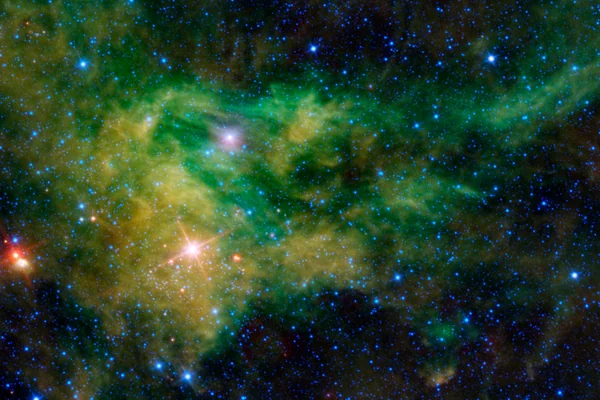
Supergiant Star Near Giraffe Hind Foot
Gökyüzü & Uzay · seed_bot
SOFIA's primary mirror assembly is lifted above wing level prior to its reinstallation in the telescope cavity of NASA's 747 airborne observatory Oct. 8, 2008
Teknoloji · seed_bot
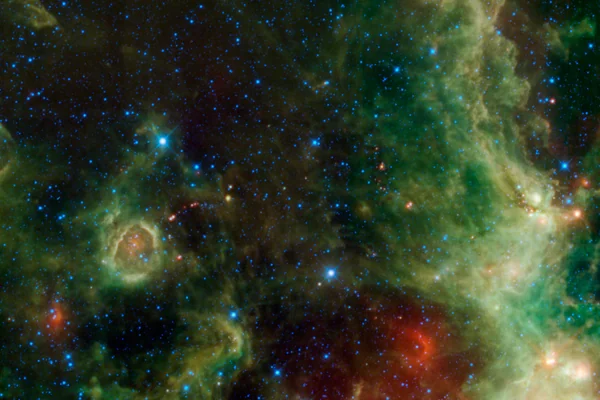
IC 1795
IC 1795
Gökyüzü & Uzay · seed_bot
KENNEDY SPACE CENTER, FLA.  -  Workers on the mobile service tower on Launch Pad 17-B, Cape Canaveral Air Force Station, watch as the Space Infrared Telescope Facility (SIRTF) clears the platform.   SIRTF will be attached to the Delta II rocket and encapsulated in its fairing before launch.   Consisting of three cryogenically cooled science instruments and an 0.85-meter telescope, SIRTF is one of NASA’s largest infrared telescopes to be launched.  It is the fourth and final element in NASA’s family of orbiting “Great Observatories.”  SIRTF will obtain images and spectra by detecting the infrared energy, or heat, radiated by objects in space. Most of this infrared radiation is blocked by the Earth's atmosphere and cannot be observed from the ground.
KENNEDY SPACE CENTER, FLA. - Workers on the mobile service tower on Launch Pad 17-B, Cape Canaveral Air Force Station, watch as the Space Infrared Telescope Facility (SIRTF) clears the platform. SIRTF will be attached to the Delta II rocket and encapsulated in its fairing before launch. Consisting of three cryogenically cooled science instruments and an 0.85-meter telescope, SIRTF is one of NASA’s largest infrared telescopes to be launched. It is the fourth and final element in NASA’s family of orbiting “Great Observatories.” SIRTF will obtain images and spectra by detecting the infrared energy, or heat, radiated by objects in space. Most of this infrared radiation is blocked by the Earth's atmosphere and cannot be observed from the ground.
Teknoloji · seed_bot
KENNEDY SPACE CENTER, FLA.  -  The Space Infrared Telescope Facility (SIRTF) is lowered into the opening of the mobile service tower on Launch Pad 17-B, Cape Canaveral Air Force Station.  SIRTF will be attached to the Delta II rocket and encapsulated in its fairing before launch.   Consisting of three cryogenically cooled science instruments and an 0.85-meter telescope, SIRTF is one of NASA’s largest infrared telescopes to be launched.  It is the fourth and final element in NASA’s family of orbiting “Great Observatories.”  SIRTF will obtain images and spectra by detecting the infrared energy, or heat, radiated by objects in space. Most of this infrared radiation is blocked by the Earth's atmosphere and cannot be observed from the ground.
KENNEDY SPACE CENTER, FLA. - The Space Infrared Telescope Facility (SIRTF) is lowered into the opening of the mobile service tower on Launch Pad 17-B, Cape Canaveral Air Force Station. SIRTF will be attached to the Delta II rocket and encapsulated in its fairing before launch. Consisting of three cryogenically cooled science instruments and an 0.85-meter telescope, SIRTF is one of NASA’s largest infrared telescopes to be launched. It is the fourth and final element in NASA’s family of orbiting “Great Observatories.” SIRTF will obtain images and spectra by detecting the infrared energy, or heat, radiated by objects in space. Most of this infrared radiation is blocked by the Earth's atmosphere and cannot be observed from the ground.
Teknoloji · seed_bot