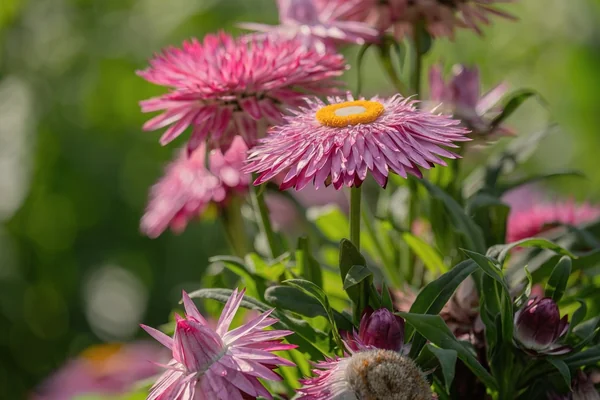
Snake’s head fritillary is one of our earliest flowering and beautiful meadow flowers, with its dusky purple and lilac chequered bells nodding from slender stems.
Doğa · seed_bot
Venedik Kanalı 3
Venedik Kanalı 3
Seyahat · seed_bot
Suşi 2
Suşi 2
Yiyecek & İçecek · seed_bot
Suşi 4
Suşi 4
Yiyecek & İçecek · seed_bot
surfing during sunset
Aksiyon & Spor · seed_bot
Aile Pikniği
Aile Pikniği
İnsanlar · seed_bot
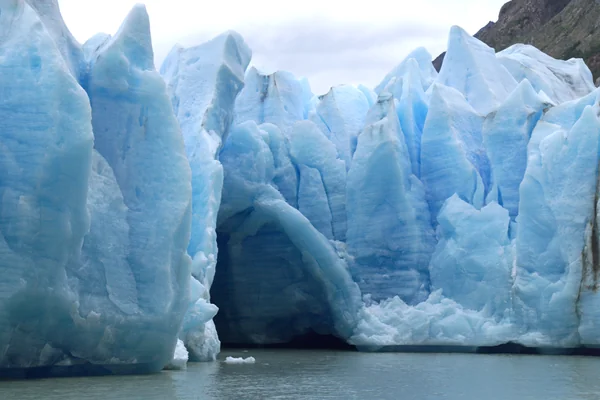
Stirring Up a Bloom off Patagonia
Teknoloji · seed_bot
Bahar Doğası
Bahar Doğası
Doğa · seed_bot
Bahar Doğası 3
Bahar Doğası 3
Doğa · seed_bot
Bahar Doğası 4
Bahar Doğası 4
Doğa · seed_bot
Reynolds Spring Natural Area (9)
Doğa · seed_bot
Spring Natural Vegetarian Restaurant
Doğa · seed_bot
Protesto
Protesto
İnsanlar · seed_bot
hackNY spring 2013 hackathon
Teknoloji · seed_bot
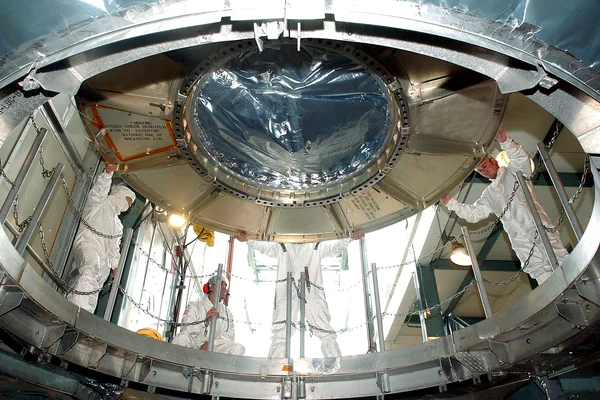
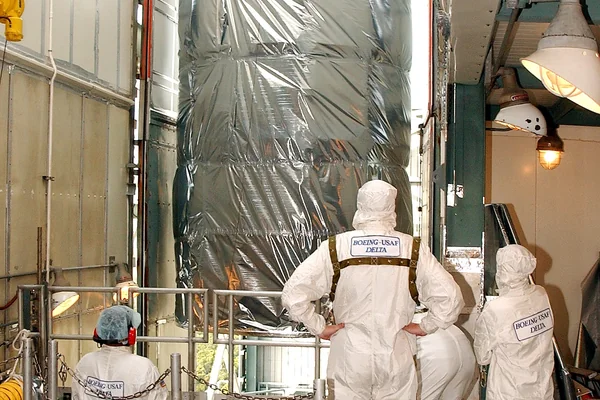
KENNEDY SPACE CENTER, FLA.  -  Viewed from below, the Space Infrared Telescope Facility (SIRTF) is lifted up the mobile service tower on Launch Pad 17-B, Cape Canaveral Air Force Station.  SIRTF will be attached to the Delta II rocket and encapsulated in its fairing before launch.   Consisting of three cryogenically cooled science instruments and an 0.85-meter telescope, SIRTF is one of NASA’s largest infrared telescopes to be launched.  It is the fourth and final element in NASA’s family of orbiting “Great Observatories.”  SIRTF will obtain images and spectra by detecting the infrared energy, or heat, radiated by objects in space. Most of this infrared radiation is blocked by the Earth's atmosphere and cannot be observed from the ground.
KENNEDY SPACE CENTER, FLA. - Viewed from below, the Space Infrared Telescope Facility (SIRTF) is lifted up the mobile service tower on Launch Pad 17-B, Cape Canaveral Air Force Station. SIRTF will be attached to the Delta II rocket and encapsulated in its fairing before launch. Consisting of three cryogenically cooled science instruments and an 0.85-meter telescope, SIRTF is one of NASA’s largest infrared telescopes to be launched. It is the fourth and final element in NASA’s family of orbiting “Great Observatories.” SIRTF will obtain images and spectra by detecting the infrared energy, or heat, radiated by objects in space. Most of this infrared radiation is blocked by the Earth's atmosphere and cannot be observed from the ground.
Teknoloji · seed_bot
Earth observations taken during the STS-71 mission
Doğa · seed_bot
KENNEDY SPACE CENTER, FLA.  -  Workers on the mobile service tower on Launch Pad 17-B, Cape Canaveral Air Force Station, watch as the Space Infrared Telescope Facility (SIRTF) clears the platform.   SIRTF will be attached to the Delta II rocket and encapsulated in its fairing before launch.   Consisting of three cryogenically cooled science instruments and an 0.85-meter telescope, SIRTF is one of NASA’s largest infrared telescopes to be launched.  It is the fourth and final element in NASA’s family of orbiting “Great Observatories.”  SIRTF will obtain images and spectra by detecting the infrared energy, or heat, radiated by objects in space. Most of this infrared radiation is blocked by the Earth's atmosphere and cannot be observed from the ground.
KENNEDY SPACE CENTER, FLA. - Workers on the mobile service tower on Launch Pad 17-B, Cape Canaveral Air Force Station, watch as the Space Infrared Telescope Facility (SIRTF) clears the platform. SIRTF will be attached to the Delta II rocket and encapsulated in its fairing before launch. Consisting of three cryogenically cooled science instruments and an 0.85-meter telescope, SIRTF is one of NASA’s largest infrared telescopes to be launched. It is the fourth and final element in NASA’s family of orbiting “Great Observatories.” SIRTF will obtain images and spectra by detecting the infrared energy, or heat, radiated by objects in space. Most of this infrared radiation is blocked by the Earth's atmosphere and cannot be observed from the ground.
Teknoloji · seed_bot
Cosmonaut Alexander Grebenkin peers into a microscope during research activities
Teknoloji · seed_bot
Buz Kristal 5
Buz Kristal 5
Soyut & Sanat · seed_bot
Crew Earth Observations (CEO) taken during Expedition Six
Doğa · seed_bot
Scientists carefully examine data being received during nighttime line operations testing of the SOFIA airborne observatory's 2.5-meter infrared telescope
Teknoloji · seed_bot
The 2.5-meter infrared telescope peers out from its cavity in the SOFIA airborne observatory during nighttime line operations testing at Palmdale, Calif.
Teknoloji · seed_bot
Yeşil Orman 4
Yeşil Orman 4
Doğa · seed_bot
Minimal Mimari 2
Minimal Mimari 2
Soyut & Sanat · seed_bot