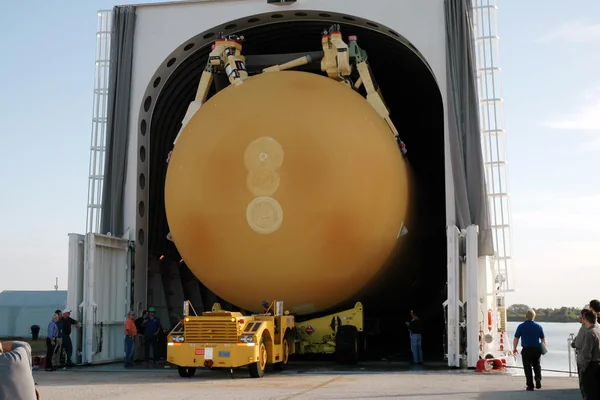














KSC-05pd-0044
KSC-05pd-0044
Teknoloji · seed_bot
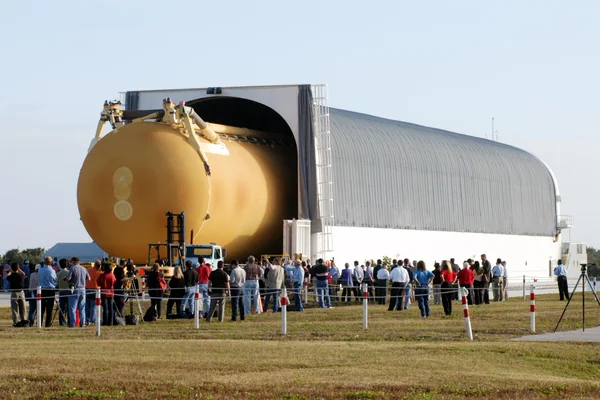
KSC-05pd-0038
KSC-05pd-0038
Teknoloji · seed_bot
Tropikal Orman 5
Tropikal Orman 5
Doğa · seed_bot
Çayır ve Çiçekler 2
Çayır ve Çiçekler 2
Doğa · seed_bot
Yüzme Yarışması 2
Yüzme Yarışması 2
Aksiyon & Spor · seed_bot
Akıllı Ev
Akıllı Ev
Teknoloji · seed_bot
Balina 2
Balina 2
Hayvanlar · seed_bot
Çatı Manzarası 2
Çatı Manzarası 2
Şehir & Mimari · seed_bot
Biathlon
Biathlon
Seyahat · seed_bot
İş Toplantısı
İş Toplantısı
İnsanlar · seed_bot
İş Toplantısı 2
İş Toplantısı 2
İnsanlar · seed_bot
Güzellik Portresi 2
Güzellik Portresi 2
Portre & Moda · seed_bot
Avrupa Sokakları
Avrupa Sokakları
Sokak Fotoğrafçılığı · seed_bot
Yoga
Yoga
İnsanlar · seed_bot
The Color of Space Documentary Screening
Teknoloji · seed_bot
Fırtına Bulutları 2
Fırtına Bulutları 2
Gökyüzü & Uzay · seed_bot
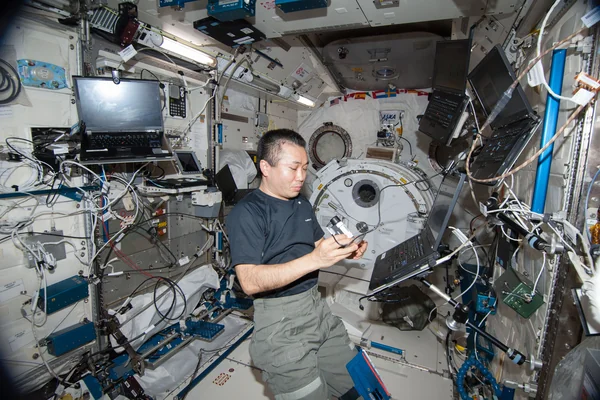
Wakata performs microscopic analysis of the NanoRacks Module-38 Petri Dishes
Teknoloji · seed_bot
Gün Doğumu
Gün Doğumu
Gökyüzü & Uzay · seed_bot
Alacakaranlık 2
Alacakaranlık 2
Gökyüzü & Uzay · seed_bot
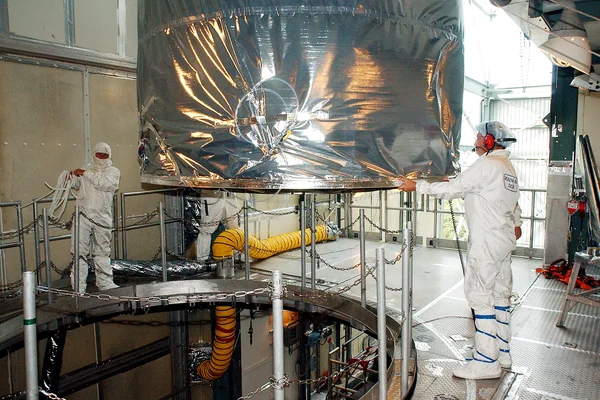
KENNEDY SPACE CENTER, FLA.  -  Workers on the mobile service tower on Launch Pad 17-B, Cape Canaveral Air Force Station, help guide the Space Infrared Telescope Facility (SIRTF) toward the opening in the foreground.  SIRTF will be attached to the Delta II rocket and encapsulated in its fairing before launch.   Consisting of three cryogenically cooled science instruments and an 0.85-meter telescope, SIRTF is one of NASA’s largest infrared telescopes to be launched.  It is the fourth and final element in NASA’s family of orbiting “Great Observatories.”  SIRTF will obtain images and spectra by detecting the infrared energy, or heat, radiated by objects in space. Most of this infrared radiation is blocked by the Earth's atmosphere and cannot be observed from the ground.
KENNEDY SPACE CENTER, FLA. - Workers on the mobile service tower on Launch Pad 17-B, Cape Canaveral Air Force Station, help guide the Space Infrared Telescope Facility (SIRTF) toward the opening in the foreground. SIRTF will be attached to the Delta II rocket and encapsulated in its fairing before launch. Consisting of three cryogenically cooled science instruments and an 0.85-meter telescope, SIRTF is one of NASA’s largest infrared telescopes to be launched. It is the fourth and final element in NASA’s family of orbiting “Great Observatories.” SIRTF will obtain images and spectra by detecting the infrared energy, or heat, radiated by objects in space. Most of this infrared radiation is blocked by the Earth's atmosphere and cannot be observed from the ground.
Teknoloji · seed_bot
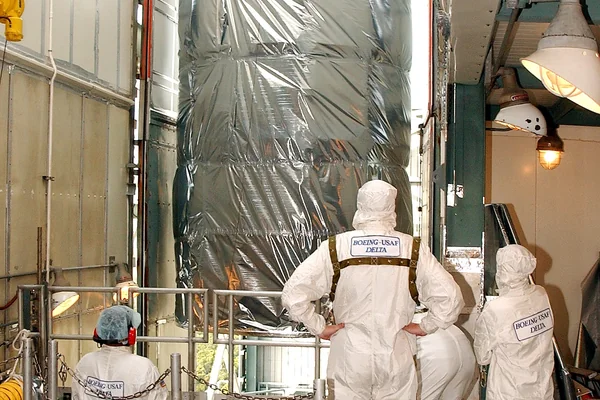
KENNEDY SPACE CENTER, FLA.  -  Workers on the mobile service tower on Launch Pad 17-B, Cape Canaveral Air Force Station, watch as the Space Infrared Telescope Facility (SIRTF) clears the platform.   SIRTF will be attached to the Delta II rocket and encapsulated in its fairing before launch.   Consisting of three cryogenically cooled science instruments and an 0.85-meter telescope, SIRTF is one of NASA’s largest infrared telescopes to be launched.  It is the fourth and final element in NASA’s family of orbiting “Great Observatories.”  SIRTF will obtain images and spectra by detecting the infrared energy, or heat, radiated by objects in space. Most of this infrared radiation is blocked by the Earth's atmosphere and cannot be observed from the ground.
KENNEDY SPACE CENTER, FLA. - Workers on the mobile service tower on Launch Pad 17-B, Cape Canaveral Air Force Station, watch as the Space Infrared Telescope Facility (SIRTF) clears the platform. SIRTF will be attached to the Delta II rocket and encapsulated in its fairing before launch. Consisting of three cryogenically cooled science instruments and an 0.85-meter telescope, SIRTF is one of NASA’s largest infrared telescopes to be launched. It is the fourth and final element in NASA’s family of orbiting “Great Observatories.” SIRTF will obtain images and spectra by detecting the infrared energy, or heat, radiated by objects in space. Most of this infrared radiation is blocked by the Earth's atmosphere and cannot be observed from the ground.
Teknoloji · seed_bot
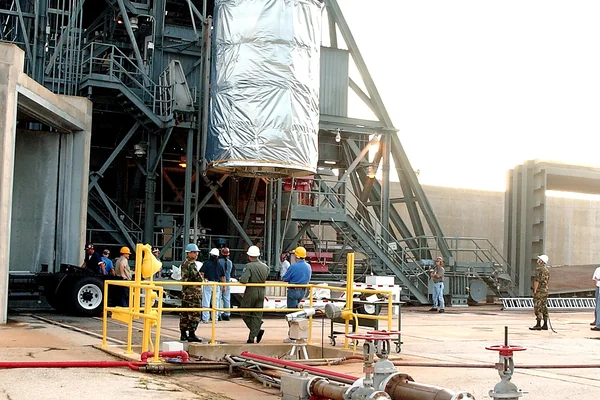
KENNEDY SPACE CENTER, FLA.  -  After dawn,  the Space Infrared Telescope Facility (SIRTF) is lifted up the mobile service tower on Launch Pad 17-B, Cape Canaveral Air Force Station.  SIRTF will be attached to the Delta II rocket and encapsulated in its fairing before launch.   Consisting of three cryogenically cooled science instruments and an 0.85-meter telescope, SIRTF is one of NASA’s largest infrared telescopes to be launched.  It is the fourth and final element in NASA’s family of orbiting “Great Observatories.”  SIRTF will obtain images and spectra by detecting the infrared energy, or heat, radiated by objects in space. Most of this infrared radiation is blocked by the Earth's atmosphere and cannot be observed from the ground.
KENNEDY SPACE CENTER, FLA. - After dawn, the Space Infrared Telescope Facility (SIRTF) is lifted up the mobile service tower on Launch Pad 17-B, Cape Canaveral Air Force Station. SIRTF will be attached to the Delta II rocket and encapsulated in its fairing before launch. Consisting of three cryogenically cooled science instruments and an 0.85-meter telescope, SIRTF is one of NASA’s largest infrared telescopes to be launched. It is the fourth and final element in NASA’s family of orbiting “Great Observatories.” SIRTF will obtain images and spectra by detecting the infrared energy, or heat, radiated by objects in space. Most of this infrared radiation is blocked by the Earth's atmosphere and cannot be observed from the ground.
Teknoloji · seed_bot
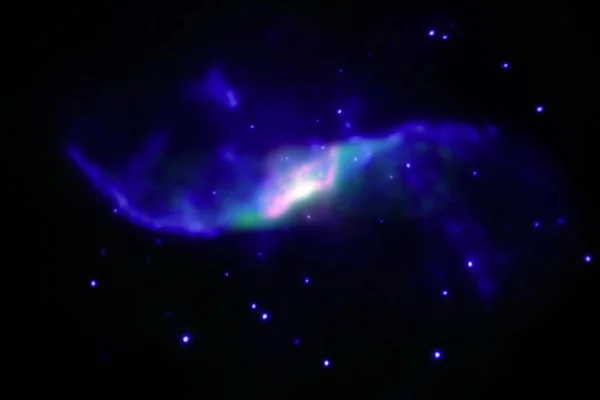
Black Hole Jets Make Shock Waves
Teknoloji · seed_bot
Kuyruklu Yıldız
Kuyruklu Yıldız
Gökyüzü & Uzay · seed_bot