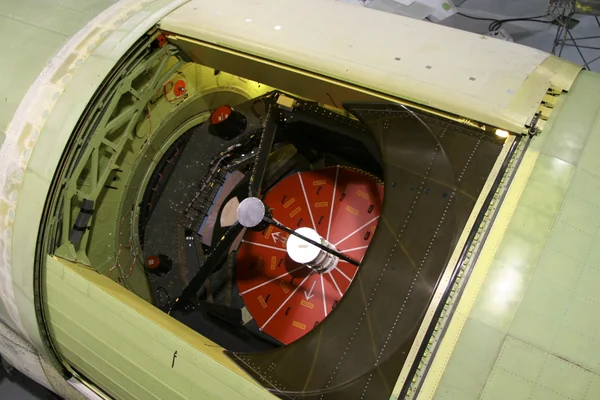

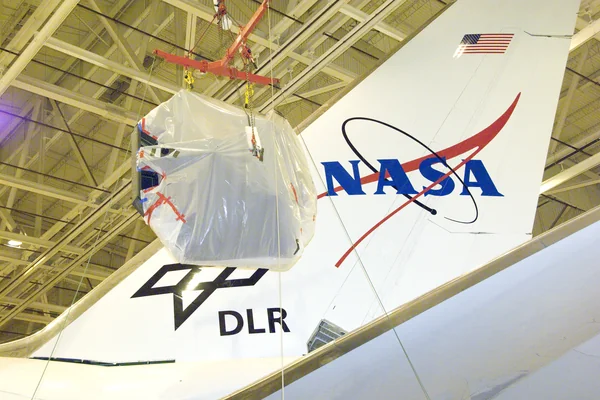
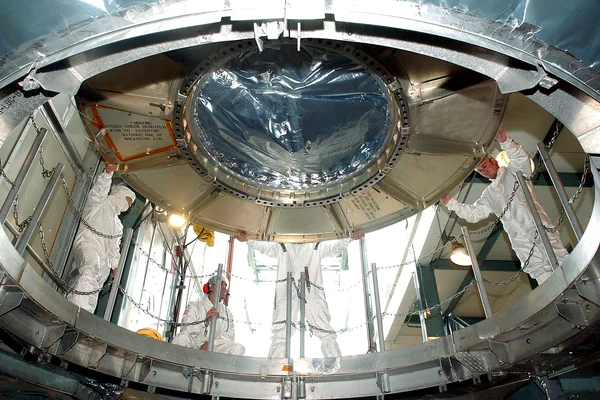
The German-built 100-inch telescope that is the heart of NASA's Stratospheric Observatory for Infrared Astronomy is nestled in the SOFIA 747's rear fuselage
Teknoloji · seed_bot
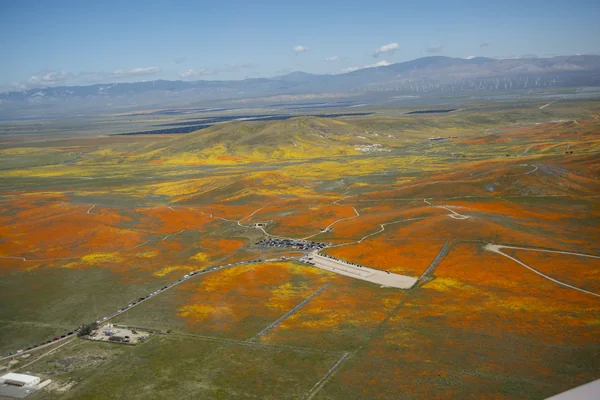
Rainy Winter Season Brings Abundance of Wildflowers and Poppies in Southern California’s Antelope Valley showing Poppy Reserve and solar panels are in the background.
Doğa · seed_bot
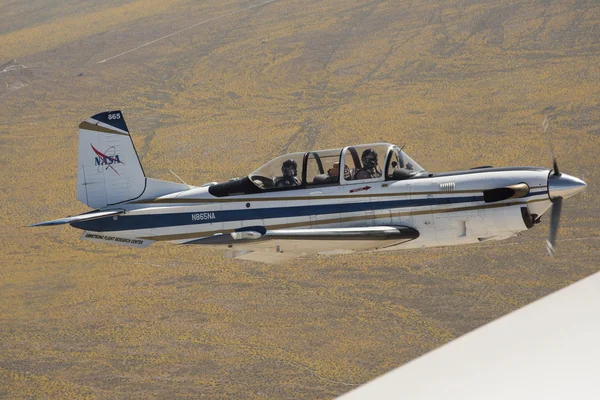
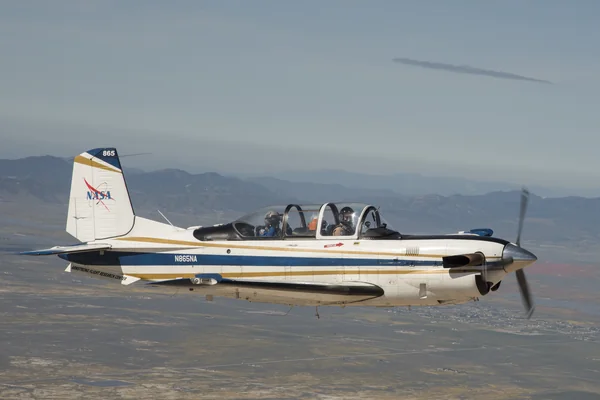
NASA Aircraft flies over yellow wildflowers abundant due to rainy winter season. The T-34 aircraft was flown from the agency's Armstrong Flight Research Center.
Doğa · seed_bot
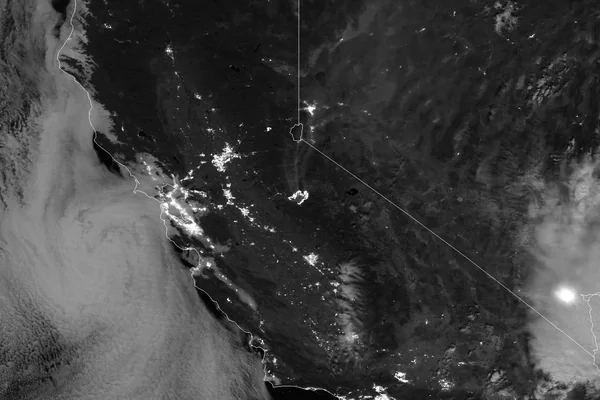
Rim Fire Expands into Yosemite National Park
Doğa · seed_bot
NASA astronaut Anne McClain processes bacteria samples
Teknoloji · seed_bot
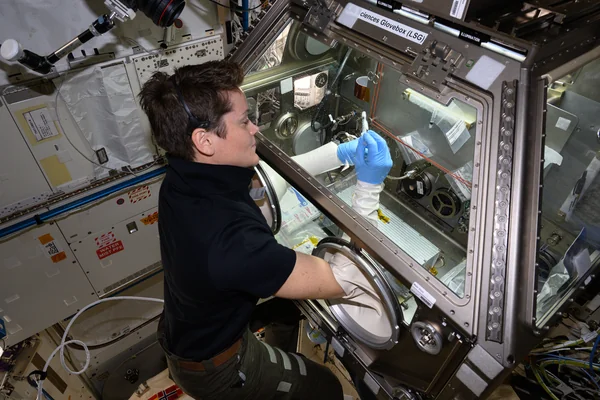
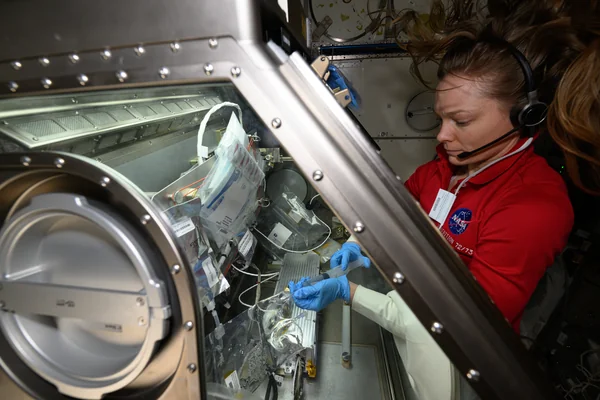
NASA astronaut Nichole Ayers conducts research operations inside the Life Science Glovebox
Teknoloji · seed_bot
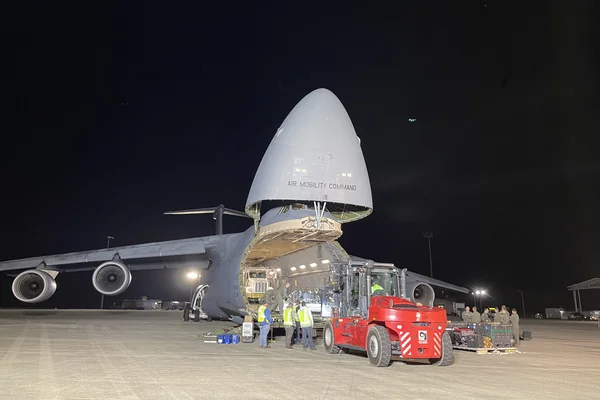
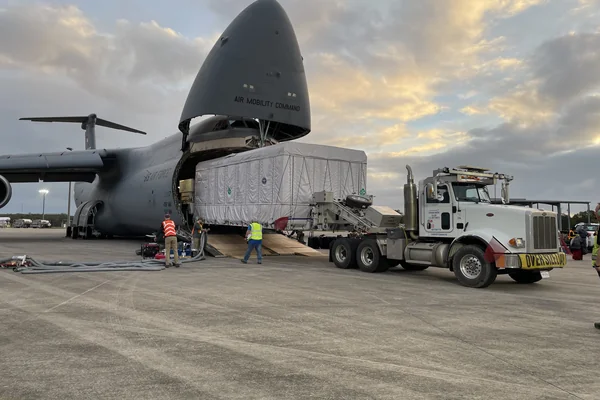
GOES-U Spacecraft Arrival and Offload
Teknoloji · seed_bot
GOES-U Spacecraft Arrival and Offload
Teknoloji · seed_bot
NASA Aircraft heads to Southern California’s Poppy Reserve in the foreground. Rainy Season made the Antelope Valley colorful with poppies and wildflowers.
Doğa · seed_bot
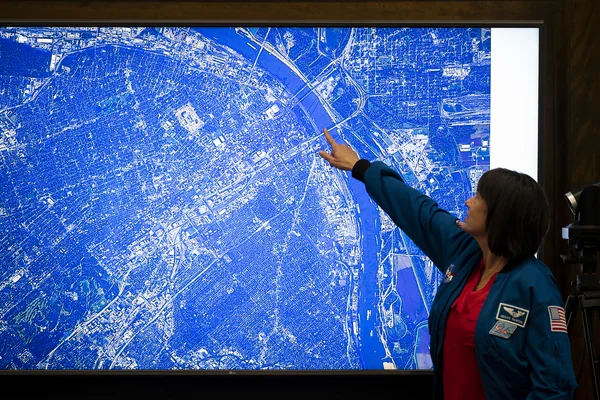
NASA’s SpaceX Crew-2 Astronauts at the National Park Service
Doğa · seed_bot
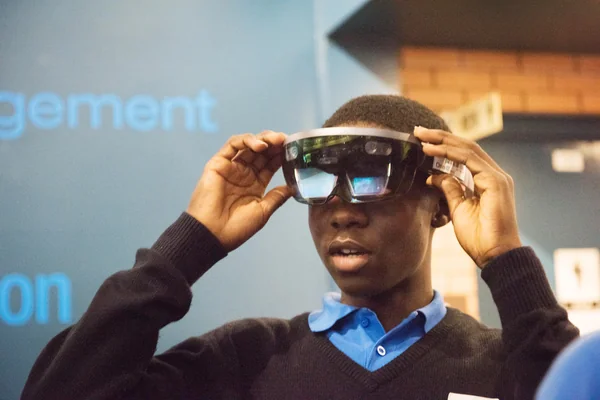
During Avaiation Day, 2018, a Participant uses a Microsoft HoloLens Virtual Reality Headset to view a NASA Created Immersive Visualization
Teknoloji · seed_bot
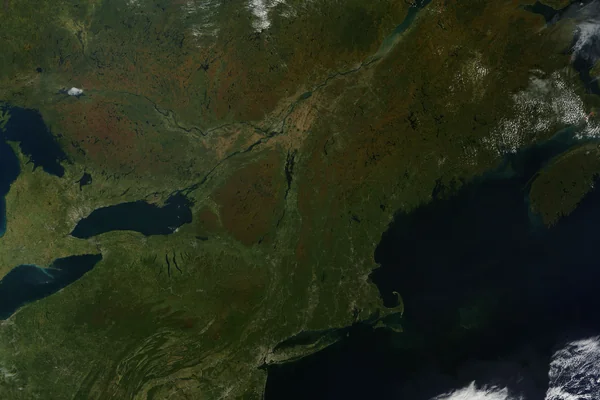
Fall colors in eastern United States and Canada
Doğa · seed_bot
Sea ice off western Alaska
Doğa · seed_bot
Glaciers and Sea Level Rise
Doğa · seed_bot
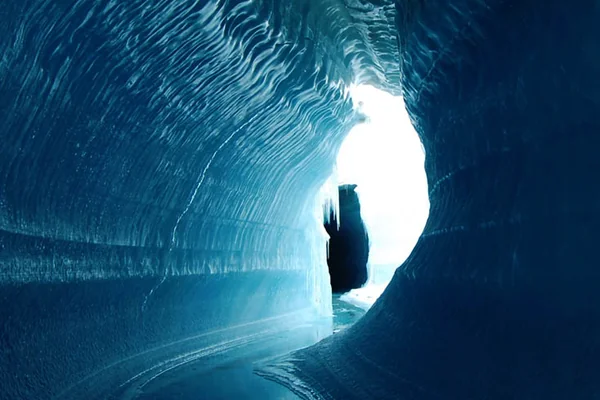
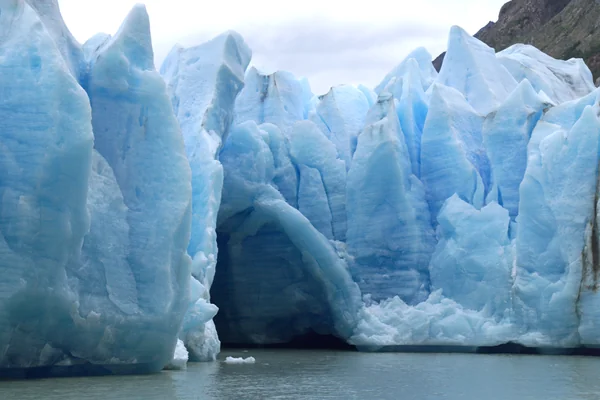
A cave in Glacier Grey in Torres del Paine National Park, seen during NASA's AirSAR 2004 campaign in Chile
Doğa · seed_bot
SOFIA's primary mirror assembly is lifted above wing level prior to its reinstallation in the telescope cavity of NASA's 747 airborne observatory Oct. 8, 2008
Teknoloji · seed_bot
KENNEDY SPACE CENTER, FLA.  -  The Space Infrared Telescope Facility (SIRTF) is lowered into the opening of the mobile service tower on Launch Pad 17-B, Cape Canaveral Air Force Station.  SIRTF will be attached to the Delta II rocket and encapsulated in its fairing before launch.   Consisting of three cryogenically cooled science instruments and an 0.85-meter telescope, SIRTF is one of NASA’s largest infrared telescopes to be launched.  It is the fourth and final element in NASA’s family of orbiting “Great Observatories.”  SIRTF will obtain images and spectra by detecting the infrared energy, or heat, radiated by objects in space. Most of this infrared radiation is blocked by the Earth's atmosphere and cannot be observed from the ground.
KENNEDY SPACE CENTER, FLA. - The Space Infrared Telescope Facility (SIRTF) is lowered into the opening of the mobile service tower on Launch Pad 17-B, Cape Canaveral Air Force Station. SIRTF will be attached to the Delta II rocket and encapsulated in its fairing before launch. Consisting of three cryogenically cooled science instruments and an 0.85-meter telescope, SIRTF is one of NASA’s largest infrared telescopes to be launched. It is the fourth and final element in NASA’s family of orbiting “Great Observatories.” SIRTF will obtain images and spectra by detecting the infrared energy, or heat, radiated by objects in space. Most of this infrared radiation is blocked by the Earth's atmosphere and cannot be observed from the ground.
Teknoloji · seed_bot
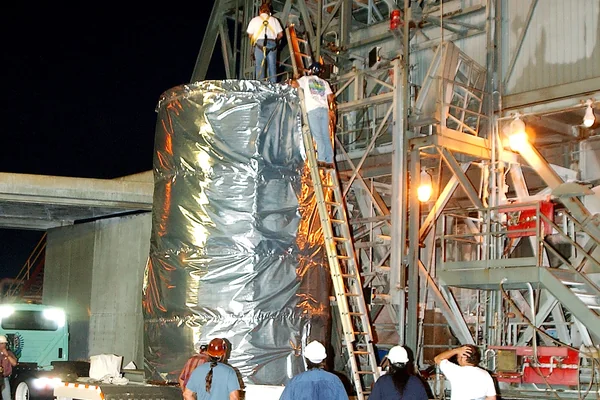
KENNEDY SPACE CENTER, FLA.  -  Before dawn, the Space Infrared Telescope Facility (SIRTF) is attached to an overhead crane that will lift it up the mobile service tower on Launch Pad 17-B, Cape Canaveral Air Force Station.  SIRTF will be attached to the Delta II rocket and encapsulated in its fairing before launch.   Consisting of three cryogenically cooled science instruments and an 0.85-meter telescope, SIRTF is one of NASA’s largest infrared telescopes to be launched.  It is the fourth and final element in NASA’s family of orbiting “Great Observatories.”  SIRTF will obtain images and spectra by detecting the infrared energy, or heat, radiated by objects in space. Most of this infrared radiation is blocked by the Earth's atmosphere and cannot be observed from the ground.
KENNEDY SPACE CENTER, FLA. - Before dawn, the Space Infrared Telescope Facility (SIRTF) is attached to an overhead crane that will lift it up the mobile service tower on Launch Pad 17-B, Cape Canaveral Air Force Station. SIRTF will be attached to the Delta II rocket and encapsulated in its fairing before launch. Consisting of three cryogenically cooled science instruments and an 0.85-meter telescope, SIRTF is one of NASA’s largest infrared telescopes to be launched. It is the fourth and final element in NASA’s family of orbiting “Great Observatories.” SIRTF will obtain images and spectra by detecting the infrared energy, or heat, radiated by objects in space. Most of this infrared radiation is blocked by the Earth's atmosphere and cannot be observed from the ground.
Teknoloji · seed_bot
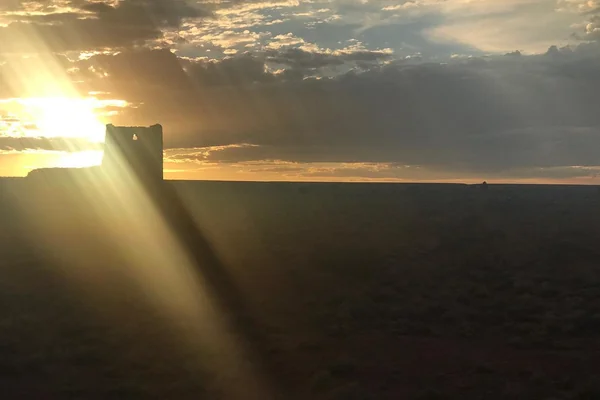
There’s something hauntingly beautiful about this image I got from the other day in Wupatki National Monument. #Wupatki #Flagstaff #Arizona #Sunset #rays #light #arizonahighways #natgeo #ancient #ruins #archaeology #sunrise #july #2020 #native #anasazi #h
Seyahat · seed_bot
NASA Reestablishes Historical Art Program with Space-Themed Mura
Soyut & Sanat · seed_bot
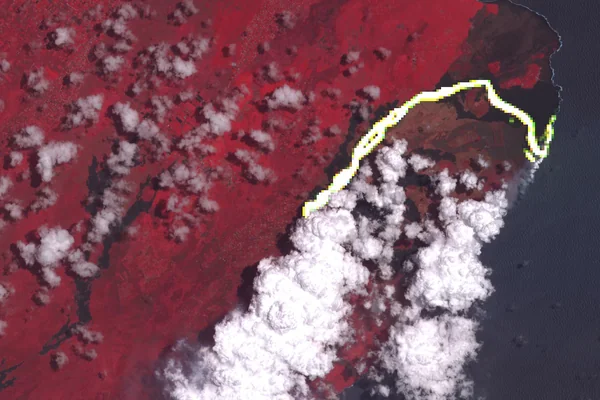
Hawaii's Continuing Kilauea Eruption Seen in NASA Spacecraft Image
Gökyüzü & Uzay · seed_bot
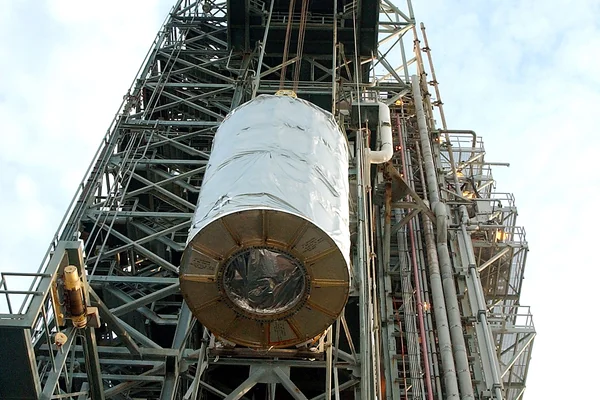
KENNEDY SPACE CENTER, FLA.  -  Viewed from below, the Space Infrared Telescope Facility (SIRTF) is lifted up the mobile service tower on Launch Pad 17-B, Cape Canaveral Air Force Station.  SIRTF will be attached to the Delta II rocket and encapsulated in its fairing before launch.   Consisting of three cryogenically cooled science instruments and an 0.85-meter telescope, SIRTF is one of NASA’s largest infrared telescopes to be launched.  It is the fourth and final element in NASA’s family of orbiting “Great Observatories.”  SIRTF will obtain images and spectra by detecting the infrared energy, or heat, radiated by objects in space. Most of this infrared radiation is blocked by the Earth's atmosphere and cannot be observed from the ground.
KENNEDY SPACE CENTER, FLA. - Viewed from below, the Space Infrared Telescope Facility (SIRTF) is lifted up the mobile service tower on Launch Pad 17-B, Cape Canaveral Air Force Station. SIRTF will be attached to the Delta II rocket and encapsulated in its fairing before launch. Consisting of three cryogenically cooled science instruments and an 0.85-meter telescope, SIRTF is one of NASA’s largest infrared telescopes to be launched. It is the fourth and final element in NASA’s family of orbiting “Great Observatories.” SIRTF will obtain images and spectra by detecting the infrared energy, or heat, radiated by objects in space. Most of this infrared radiation is blocked by the Earth's atmosphere and cannot be observed from the ground.
Teknoloji · seed_bot

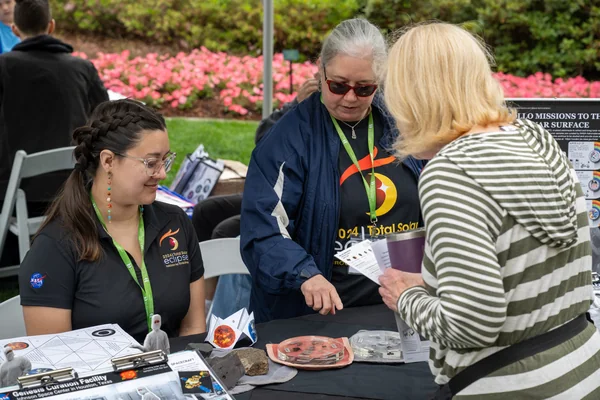
2024 Total Solar Eclipse
Gökyüzü & Uzay · seed_bot
Super Blue Moon Rises Over City of New Orleans
Gökyüzü & Uzay · seed_bot